

refine your requirements ...
-

Lochside Library
Weekly rentals from £2500
Lochside Library, three bedroom apartment sleeps five. Wonderful views of Loch Ness and the Abbey grounds with access to the Highland Club facilities; pool, gym, tennis and more.
 3
3


-

Glenlivet
Weekly rentals from £1575
3 bedrooms (second bedroom is mezzanine), sleeps 6, master bedroom en-suite, dining area.
3
-

Abbey Church 24 – The Upper North Aisle – AC24
Weekly rentals from £1400
2 Bedroom Flat on 2nd Floor of Abbey Church
Architectural features
Beautifully furnished
2 bathrooms.
Note - no lifts2
-

Abbey Church 25 – The Dunfermline – AC25
Weekly rentals from £1400
Abbey Church 25 - The Dunfermline -AC25
3rd floor two bedroom flat in the abbey church
Warm inviting and luxurious
Original architectural features
2 bedrooms , king and twins2
-

Abbey Church 9 – The Nave – AC9
Weekly rentals from £1330
Abbey Church 9 The Nave
Ground Floor Flat in a the Beautiful Abbey Church
No stairs - large garden - barbecue and toys2
-

Abbey Church 19 – The Lower North Aisle – AC19
Weekly rentals from £1330
2 Bedroom Flat on 2nd Floor of Abbey Church
Architectural features
Beautifully furnished
2 bathrooms.
Note - no lifts2
-

Monastery 10
Weekly rentals from £1103
Monastery 10 - 1 bedroom apartment with Loch view
Beautiful and very comfortable with everything you need.1
-

Nevis Apartment
Weekly rentals from £1102
3-bedrooms, 3-bathrooms, sleeps 6, Loch views, family apartment
3
-

Abbey Church 6 – St Andrew’s Chapel – AC6
Weekly rentals from £995
2 bedrooms, 2 bathrooms (1 en-suite), sleeps 4, master bedroom on mezzanine floor
2
-

Scriptorium Garden
Weekly rentals from £993
1-bedroom, 1-bathroom, sleeps 2, offers secluded private garden, ideal for romantic getaway.
1
-

Scriptorium Retreat
Weekly rentals from £993
One bedroom romantic getaway property for couples. A unique and quirky apartment for those relaxing weekends.
1
-

Majors Apartment
Weekly rentals from £980
3 bedroom (master bedroom en-suite), sleeps 6, ideal for family accommodation.
3
-

The Caledonian
Weekly rentals from £980
3 bedrooms, sleeps 6, large open plan living area and Abbey Garden views.
3
-

Struan
Weekly rentals from £965
2 bedroom (master converts to twins, 2nd bedroom is double, 2 bathrooms, sleeps 4, Loch views
2
-

Fraser Apartment
Weekly rentals from £965
2 bedroom, 2 bathrooms with underfloor heating, Loch views from three sides, high quality furnishings.
2
-

The Chapter House
Weekly rentals from £960
2 bedrooms, 2 bathrooms (1 en-suite), sleeps 4 + 2 on sofa bed, includes private garden. Full Sky package incl.sports, movies and box sets. Last minute booking discounts available.
2
-

Glenlochy Apartment
Weekly rentals from £945
Three bedrooms, sleeps six, one king, one double and one twin, lower ground apartment, child friendly.
3
-

Livingstone Apartment
Weekly rentals from £928
First floor luxury apartment, 2 bedrooms, 2 bathrooms, beautifully and uniquely decorated. Second bedroom can be made as twin beds or superking. Gas central heating and well equipped.
2
-

Canon Point
Weekly rentals from £887
Canon Point, 2 bedroom 2 bathrooms, free WiFi and welcome pack, access to Highland Club facilities. Bright and spacious modern apartment with gas central heating. Last minute discounts available.
2
-

Glen Affric Apartment Loch Ness
Weekly rentals from £887
Glen Affric Apartment in Loch Ness is a top floor, two bedroom apartment offering beautiful views of the Southern side of Loch Ness. Gas central heating, electricity and high quality furnishings promise an unforgettable holiday.
2
-

The Harris Apartment
Weekly rentals from £805
High quality second floor two bedroom apartment. Perfect for family holidays. Quality furnishings, tasteful decor and access to the Highland Club facilities. Book now for a wonderful stay.
2
-

Taigh Nan Caorach
Weekly rentals from £799
2 bedrooms, 2 bathrooms, sleeps 4, pet friendly, wood burning stove, gas central heating.
2

-

Club Cottage
Weekly rentals from £799
2-bedroom apartment, sleeps 5 with sofa bed, riverside patio and air conditioning.
2
-

Strathglass Cottage
Weekly rentals from £799
Two bedroom, two bathroom (2 double beds). Spacious, pet friendly cottage. Close to the River Tarff and Loch Ness. Unique breakfast bar with additional storage space. Last minute discounts available.
2
-

Brora Cottage
Weekly rentals from £799
Newly refurbished property in the Highland Club.
Free Wi-Fi.
Washer/Dryer
Last minute booking discounts available.2
-

Boys Dormitory
Weekly rentals from £786
1-bedroom, sleeps 2, Penthouse apartment, views in 3 directions including Loch Ness. 10% last minute discount, book within 2 weeks of arrival.
1

-

Garden Cottage
Weekly rentals from £770
2 bedrooms, 2 bathrooms, sleeps 4+1, pet friendly and a real log fire, riverside view. Great family cottage.
2
-

The Ross
Weekly rentals from £770
2 bedrooms, sleeps four plus one on sofa bed, second floor apartment with views over the Cloisters.
2
-

Caledon
Weekly rentals from £770
2 bedrooms, sleeps 4, gas central heating and mountain views.
2
-

Bruach
Weekly rentals from £770
2 bedrooms, 2 bathrooms, sleeps 4, wood burning stove, gas central heating, riverside views.
2
-

Gruinyards
Weekly rentals from £760
2-bedrooms, 2-bathrooms, sleeps 6 with sofa bed, top floor apartment offering views in 3 directions.
2
-

Glenview
Weekly rentals from £760
3 bedrooms, 2 bathrooms, sleeps 6 + a small child.
3
-

Abbey Gardens – AC8
Weekly rentals from £735
Two bedrooms: sleeps four
Two bathrooms (one is ensuite)
Large Garden with Patio doors
WiFi
Wheelchair access - no stairs2
-

Top of the Fort
Weekly rentals from £700
Two bedrooms, two bathrooms (one en-suite), sleeps four, Penthouse flat with private balcony terrace, perfect for young families.
2
-
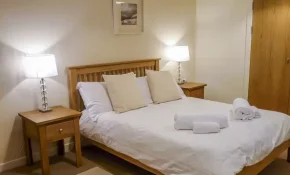
Dalwhinnie
Weekly rentals from £700
2 bedrooms, sleeps 4, pet friendly, gas central heating, solid fuel fire (logs or peat).
2
-

Caladh
Weekly rentals from £700
Fantastic one bedroom apartment for two with small sofa bed for a child or teenager. Beautiful view towards Loch Ness. Mezzanine bedroom with electric operated curtains.
1
-

Moat House 1
Weekly rentals from £690
2 bedrooms, 2 bathrooms (1 en-suite), sleeps 7 with sofa bed, ideal for families.
2
-

Noble Apartment
Weekly rentals from £670
2 bedrooms, 1 en-suite, sleeps 4, lower ground apartment, gas central heating, 32” Smart TV.
2
-

Torr Apartment
Weekly rentals from £670
2 bedrooms, 2 bathrooms (1 en-suite), sleeps 4, ground floor flat, ideal for families or couples. Large last minute booking discounts with up to 25% off.
2
-

Laphroaig
Weekly rentals from £670
2 bedrooms, sleeps 4 + 2 on sofa bed, easy access to Club Lounge, dining area for 6. Up to 20% discount for last minute bookings.
2
-

Glendoe
Weekly rentals from £670
2 bedrooms, sleeps 4, gas central heating plus canal and Great Glen views.
2
-

Ceud Mille Failte
Weekly rentals from £670
2 double bedrooms, 2 bathrooms (1 en-suite) sleeps 4, views to the Caledonian Canal and hills beyond. Unsuitable for babies or children under the age of 5.
2
-

Highland Retreat
Weekly rentals from £670
2 bedrooms, sleeps 4, private ground floor entrance, ideal for family holidays.
2
-

Moat House 7
Weekly rentals from £670
2 bedroom, 2 bathrooms, sleeps 4, offers views over the Cloisters, ideal for families or couples.
2
-

Alt na Criche
Weekly rentals from £670
Two bedroom apartment, sleeps four, comfortable and spacious apartment. Last minute discounts available.
2
-

Monastery 17 Loch Ness Holiday
Weekly rentals from £669
2 bedroom, sleeps up to 7 people with sofa and camp beds, loch views
2
-

Abbey Church 1
Weekly rentals from £650
2 bedrooms, 2 bathrooms (1 en-suite), sleeps 4, ground floor level with private terrace.
2
-

Gladsheim
Weekly rentals from £560
1 bedroom, sleeps 2, first floor flat, ideal for romantic getaways.
1
-

Glenmorangie Highland Club Scotland
Weekly rentals from £560
1 bedroom, sleeps 4 with sofa bed, private ground floor entrance, excellent for romantic breaks.
1
-

Loch Sermons Nest
Weekly rentals from £560
1 bedroom, sleeps 4 with sofa bed, ideal for families or couples.
1
-

The Ness
Weekly rentals from £560
The Ness, lower ground level apartment, 1-bedroom, 2 bathrooms, spacious, clean and comfortable with sofa bed to sleep additional 2 guests. WiFi included.
1
-

Inver at Highland Club Scotland
Weekly rentals from £560
Top floor one bedroom apartment. Sleeps two or four with sofa bed. Views of the Great Glen and Loch Ness. Perfect for romantic getaways or budget holidays. Book online now. Last minute discounts available.
1
-

Bowmore at Highland Club Scotland
Weekly rentals from £560
Bowmore, one bedroom property that perfectly suits couples looking for a romantic getaway. One bedroom, shower over bath, sleeps 2. WiFi and utilities included.
1
-

Cameron Apartment
Weekly rentals from £560
One bedroom apartment, sleeps up to four, access to pool, gym and more. Sofa bed for third and fourth guests.
1
Refine your search results by using the filters at the top of this page